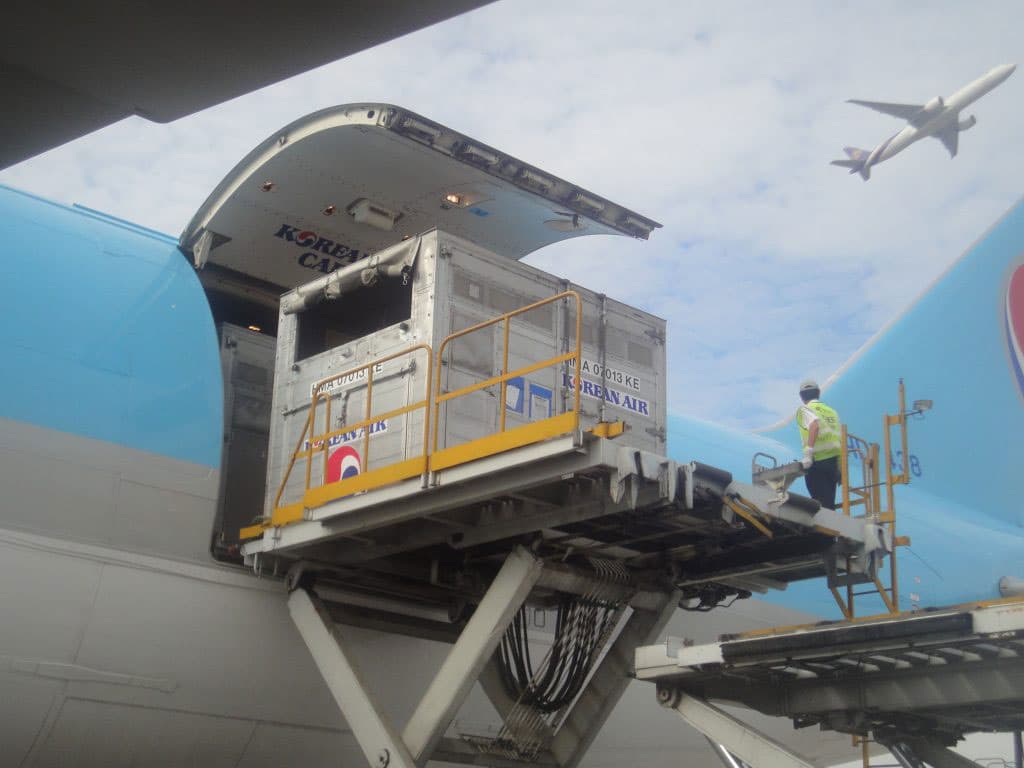
USA → Thailand
Export Horses and Livestock from the USA to Thailand
Horses and miniature horses often move to Bangkok as one mixed consignment.
- Arrives
- BKK
- Departs
- LAX / DFW
- Flight time
- ~17–19 hours via Asian hub
- Plan ahead
- 75–130 days
Bangkok Suvarnabhumi
Or whichever US gateway suits the animals
Thailand is a lane we run regularly, typically horses and miniature horses moving together as a single consignment. Mixed groups like that are where a boutique operator earns its fee — one testing schedule, one crating plan, one set of paperwork.
There is no nonstop service to Bangkok, so the transit stop is part of the welfare plan rather than an afterthought: ground time, hold conditions, and whether the animals are offloaded and watered.
Regulatory
What a Thailand export requires
These are the constraints that shape the timeline. The binding requirements are whatever Thailand has in force on your day of export — we confirm the current position as the first step of every quote.
Import permit and per-shipment approvals
Thai imports require a permit issued to the importer. Some categories — sheep and goats among them — are approved shipment by shipment rather than under a standing protocol, which adds a lead-time step that cannot be compressed.
Pre-export isolation and testing
Animals are held at a USDA-approved facility while a USDA-accredited veterinarian completes the required panel and prepares the International Health Certificate for USDA APHIS endorsement.
Routing and transit
Consignments route via an Asian hub. We plan the transit stop explicitly — how long on the ground, what conditions, and whether the animals come off — as part of the welfare plan.
Exotic and zoo species
Exotic consignments add CITES documentation where the species is listed, U.S. Fish and Wildlife clearance, and a receiving institution with the permits to accept the animals.
Official source
USDA APHIS publishes the International Regulations for Animal Exports (IRegs) — the U.S. government’s understanding of Thailand's current import requirements.
By species
What we handle into Thailand
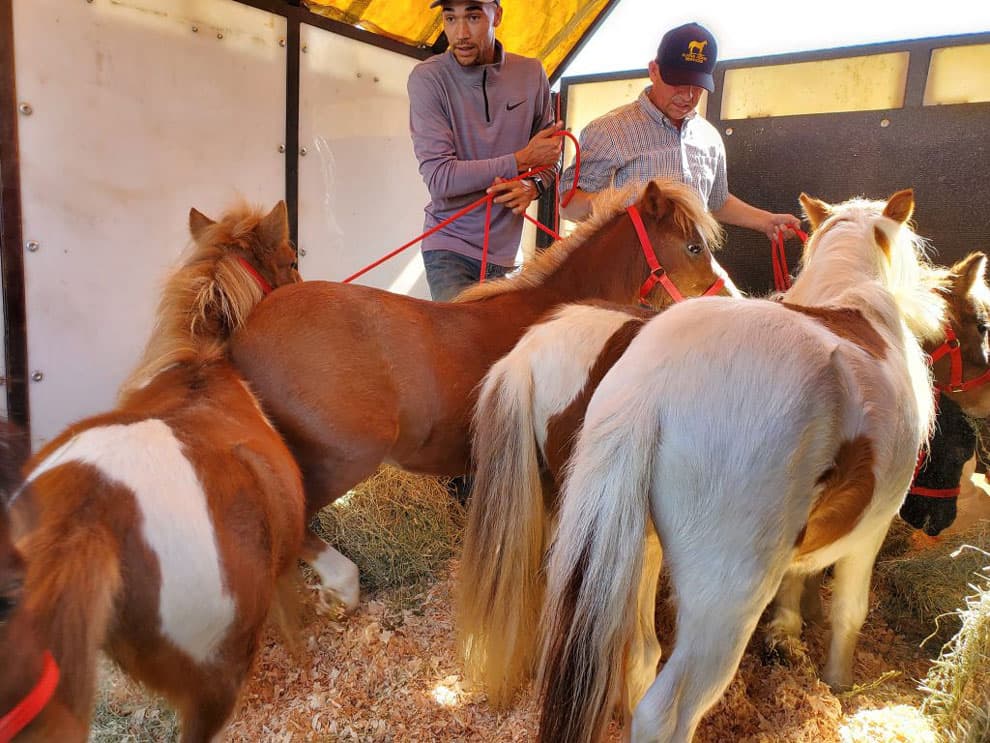
Horses
Racing, breeding and competition horses moved door to door — barn in the United States to barn in Asia-Pacific, the Gulf or Europe.
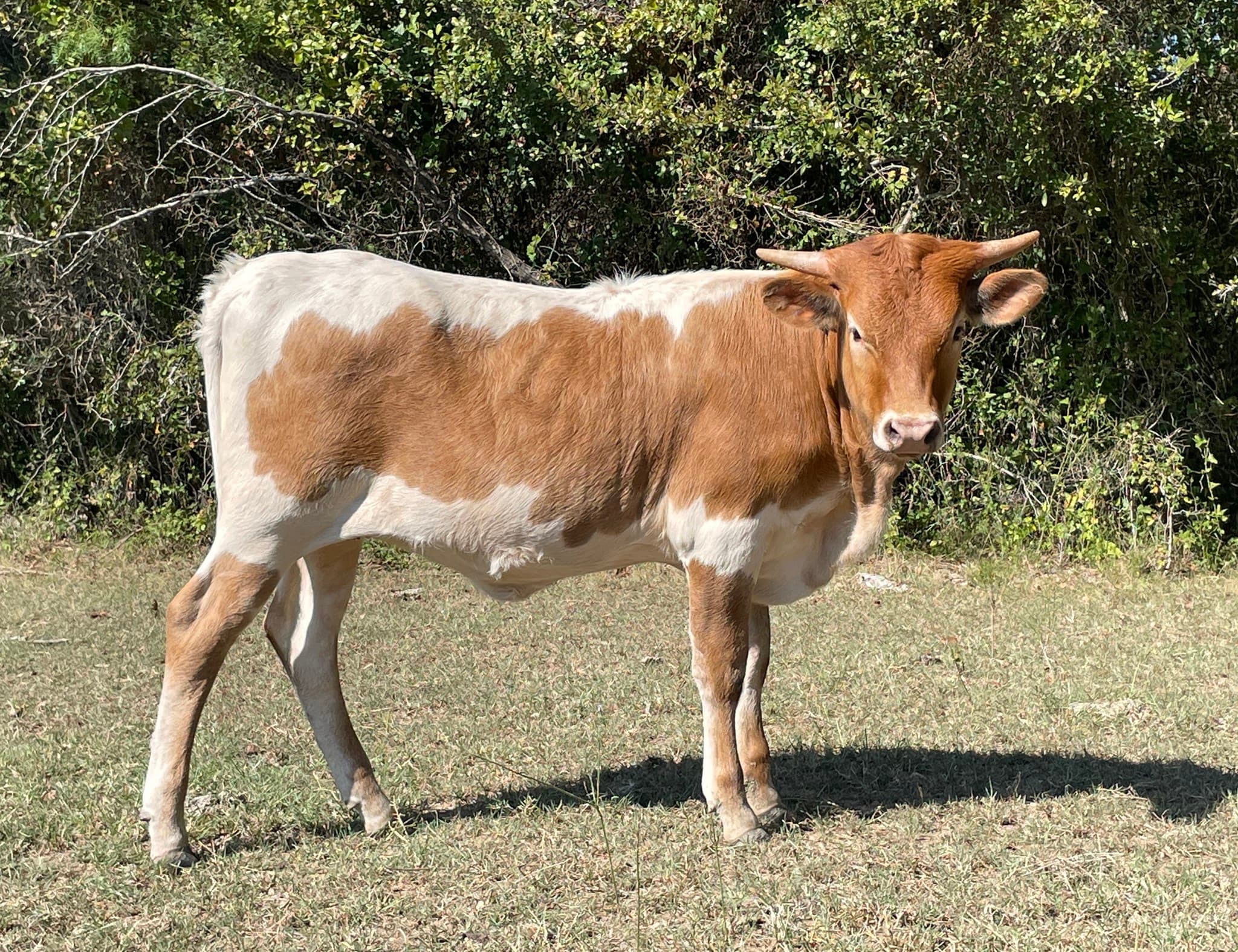
Cattle
Brahman and other tropical and temperate breeds, bulls and group consignments — priced and protocoled by breed and destination.
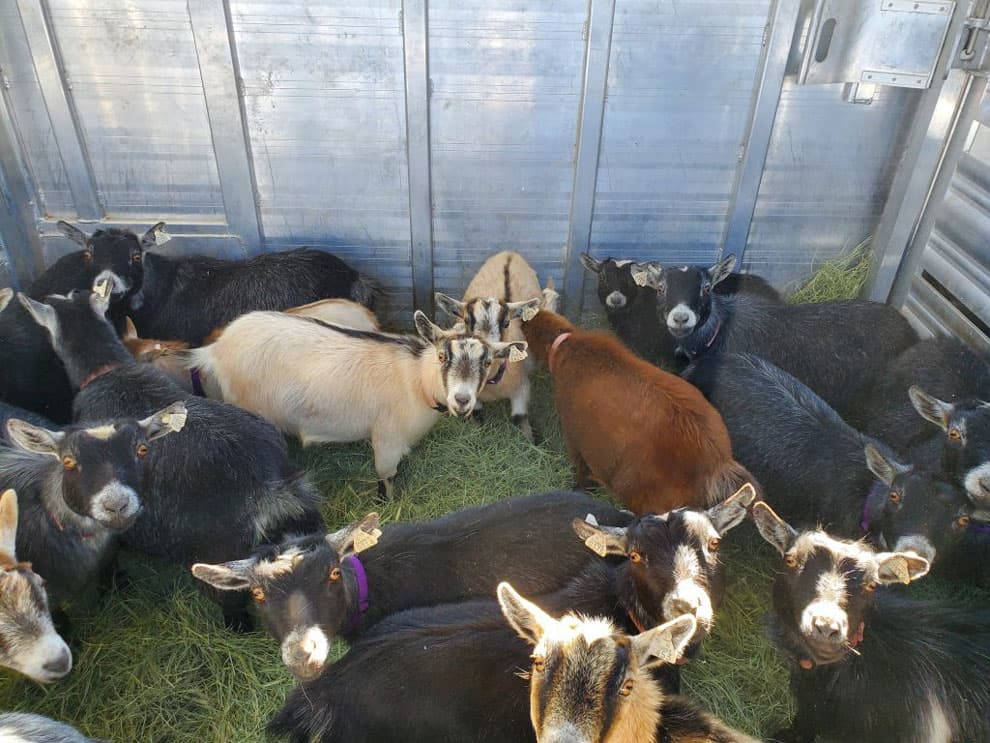
Sheep & Goats
Boer and Nubian goats, breeding rams and ewes — regulated together under USDA's scrapie program, and often shipped together.
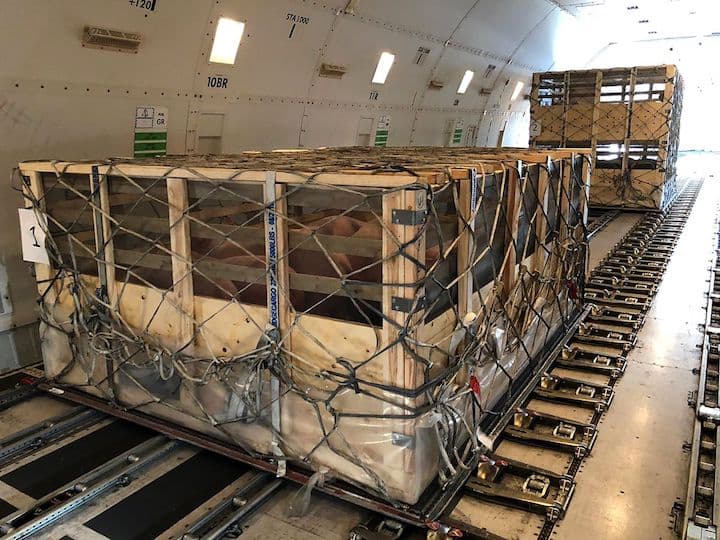
Swine, Poultry & Camelids
Swine, poultry, camelids and mixed livestock genetics — moved as single consignments or as a recurring program.
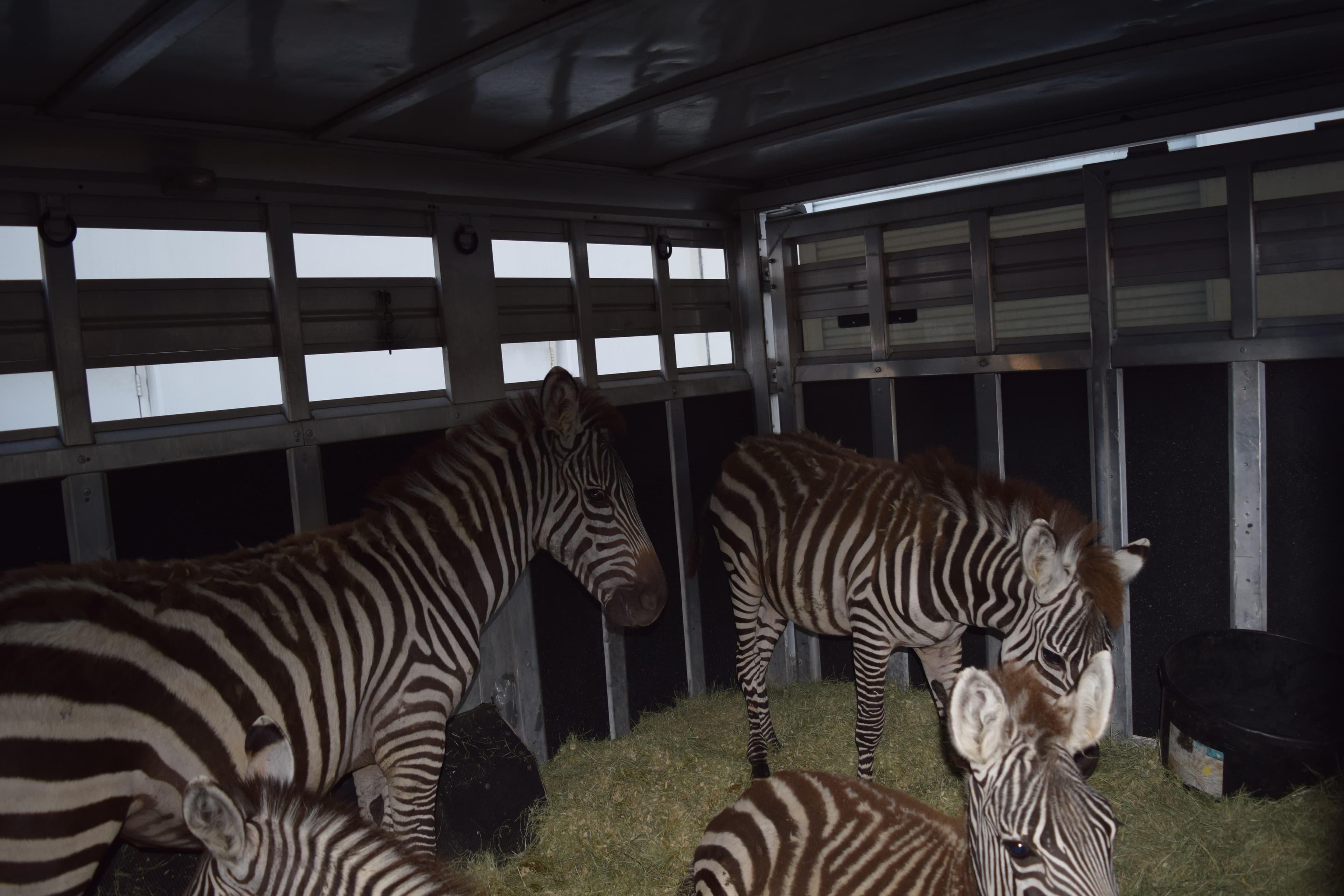
Exotic & Zoo Animals
Zoo collections, wildlife parks and private exotic consignments — including CITES-listed species — moved with the permitting handled.
FAQ
Exporting to Thailand: common questions
How much does it cost to export animals to Thailand?
A recent shipment of one stallion and six miniature horses to Bangkok came to $35,000, and a single horse typically runs $20,000 to $30,000 on its own. Isolation, testing, USDA fees and the groom cost roughly the same whether one horse travels or seven, so mixed consignments like the one above are usually far cheaper per head than shipping each animal on its own. These cover air freight, pre-export isolation, testing, USDA fees and a groom on the flight; the transit stop via an Asian hub, ground transport and farm board are billed separately.
Can you export horses from the USA to Thailand?
Yes, including mixed consignments of full-size and miniature horses moving together. We handle pickup, pre-export isolation, the vet work and certification, crating, the flight and the destination handoff.
How long is the journey to Bangkok?
There is no nonstop service, so consignments route via an Asian hub — typically 17 to 19 hours in total. The transit stop is planned explicitly as part of the welfare plan.
What about sheep and goats?
Some categories including sheep and goats are approved shipment by shipment rather than under a standing protocol. That adds a step at the front of the process, so start earlier than you would for a standing-protocol species.
Do you handle zoo and exotic animals into Thailand?
Yes. Exotic work is where a specialist earns their fee — CITES documentation, U.S. Fish and Wildlife clearance, species-appropriate crating and a receiving institution permitted to accept the animals.
Other lanes
More destinations we run
Philippines
Export Animals: USA to the Philippines
Indonesia
Breeding Livestock: USA to Indonesia
China
Horses & Livestock: USA to China
Moving animals to Thailand?
Send us the species, the number of animals, the origin and your target date. We confirm whether the protocol is currently open and come back with a written quote at no charge. If we can’t do the shipment, we’ll email you and say why.