Sheep & Goats
Sheep and Goat Export from the USA to Asia-Pacific and the Gulf
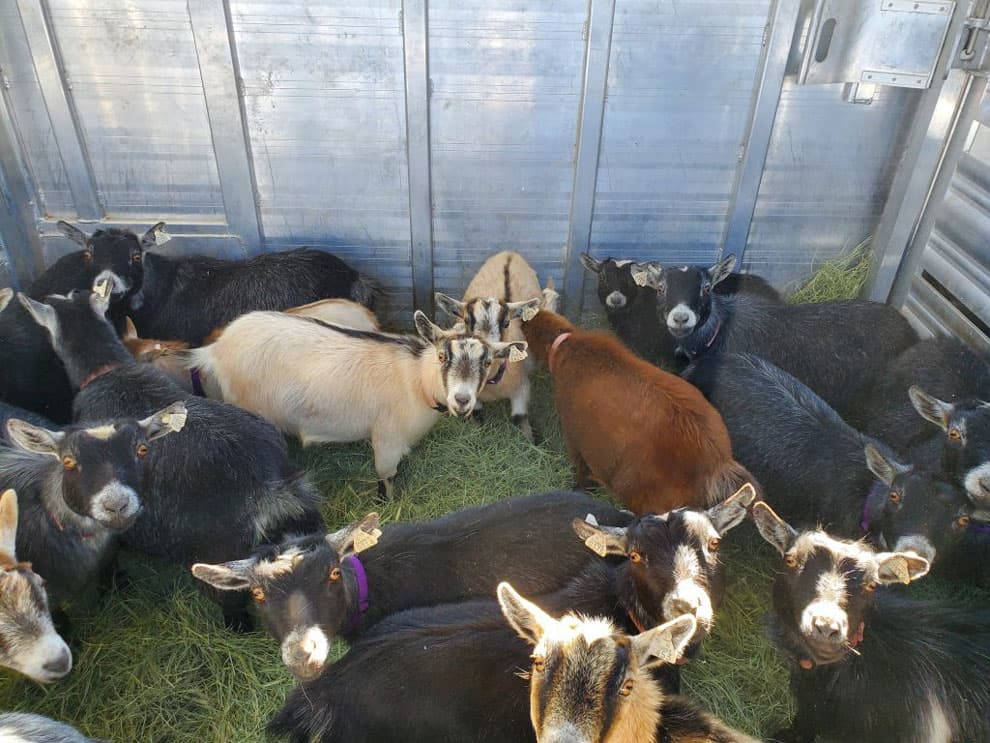
Boer and Nubian goats, breeding rams and ewes — regulated together under USDA's scrapie program, and often shipped together.
Sheep and goats travel under the same USDA framework — both are covered by the National Scrapie Eradication Program, and most destination countries write a single combined health certificate for the two species rather than separate ones. That's also how we ship them: Boer and Nubian goats and breeding rams and ewes, individually or on the same consignment.
We've run goat consignments to the Philippines in groups of 30-plus head, and we've also worked through the destination protocol for Thailand, Taiwan, Vietnam, Qatar and Kuwait.
The scrapie angle is the one most first-time shippers don't know to ask about. Many destinations require the exporting flock to carry documented scrapie-monitored status, not just a clean test result on the day of export — we check this before quoting, not after you've already booked isolation.
What we handle
- Boer and Nubian goats — meat and dairy breeds
- Breeding rams and ewes
- Mixed sheep and goat consignments
- Group consignments of 30+ head
How we do it
Equipment, people and permits.
The parts of an animal export that go wrong are almost never the flight. They are the crate, the paperwork and whoever is holding the lead rope at 3am.
Purpose-built crating
Sheep and goats fly in crates sized to the group and the sector length, satisfying IATA Live Animals Regulations for small ruminants.
Pre-export isolation
Held at USDA-approved isolation facilities we work with, chosen to suit the group size and the departure airport.
Scrapie flock certification
A USDA-accredited veterinarian confirms and documents the flock's scrapie-monitored status alongside the destination's test panel, since most countries require it on the health certificate — not just a clean test on the day.
Scheduled repeat programs
For breeders moving recurring volume, we build a standing schedule rather than quoting each consignment cold. More predictable, and materially cheaper per head.
Destinations
Where we move sheep & goats
Each destination has its own protocol, timeline and market. These are the lanes where demand for this category is strongest.
Philippines
Arrives MNL
≈14–15 hours from the West Coast
Saudi Arabia
Arrives RUH
≈19–21 hours via a Gulf or European hub
UAE
Arrives DXB / DWC
≈16 hours nonstop from the West Coast
Qatar
Arrives DOH
≈16 hours nonstop from Dallas–Fort Worth
Thailand
Arrives BKK
≈17–19 hours via Asian hub
Indonesia
Arrives CGK
≈17–19 hours via Asian hub
Singapore
Arrives SIN
≈18–20 hours via an Asian hub
FAQ
Sheep & Goats: common questions
How much does it cost to export sheep or goats?
$1,650 to $2,500 a head on a large group consignment (30 or more head), based on real shipments we've run to the Philippines — covering air freight, pre-export isolation, blood tests, USDA inspection and fees. Smaller groups cost more per head. See our cost calculator for the full breakdown, and every quote is written after we've confirmed the destination's current scrapie and health-certificate requirements.
What is scrapie, and why does it matter for export?
Scrapie is a reportable disease in sheep and goats that USDA monitors through the National Scrapie Eradication Program. Most destination countries require the exporting flock to carry documented scrapie-monitored status, not just a negative test on the day of export — this is one of the first things we check before quoting, since building that status takes time if a flock doesn't already have it.
Are sheep and goats regulated and shipped together?
Yes. USDA and most destination countries write a single combined sheep-and-goats health certificate rather than separate ones for each species, and we regularly ship them on the same consignment.
Which destinations are open for sheep and goats?
We've run goat shipments to the Philippines and worked through the protocol for Thailand, Taiwan, Vietnam, Qatar and Kuwait. Protocol status changes, so we confirm what's actually open for your destination before quoting.
How far in advance should a sheep or goat shipment be booked?
Seventy-five to 130 days for most destinations. If you are running a recurring program, we build a standing schedule and the lead time stops being a per-shipment problem.
Is this the same as a domestic livestock carrier or trucking company?
No. Domestic livestock transporters truck animals between US farms and feedlots by the mile. We're an international air export company — the work is pre-export isolation, USDA-accredited veterinary testing including scrapie status, an International Health Certificate endorsed by USDA APHIS, and purpose-built crating for a flight, not a trailer.
Also
Other things we move
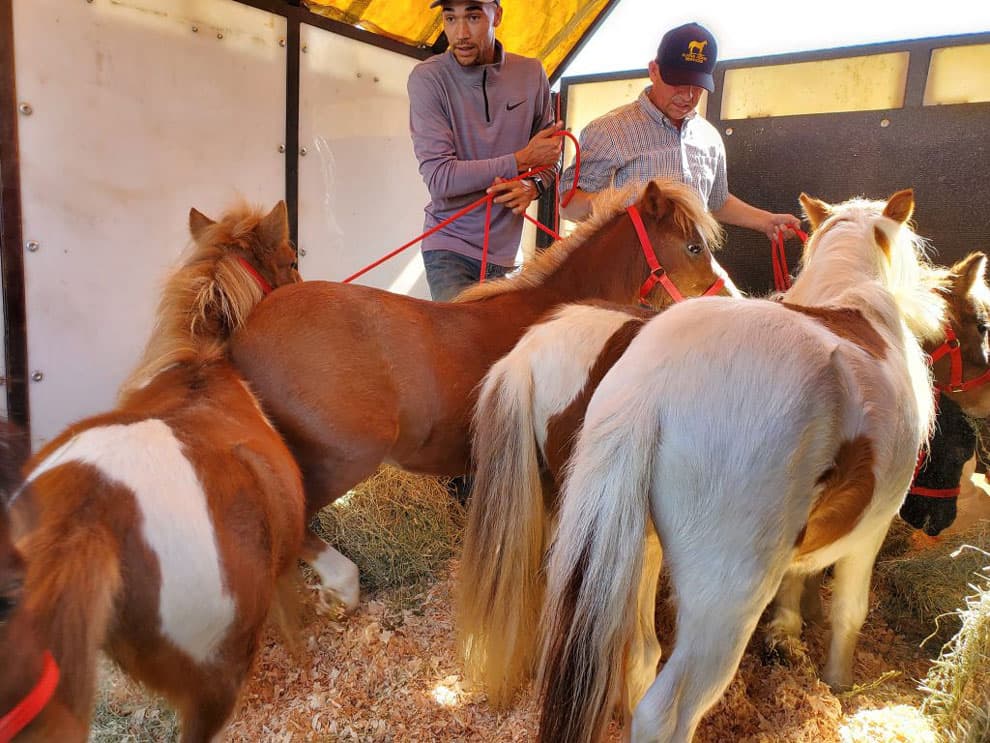
Horses
Racing, breeding and competition horses moved door to door — barn in the United States to barn in Asia-Pacific or the Gulf.
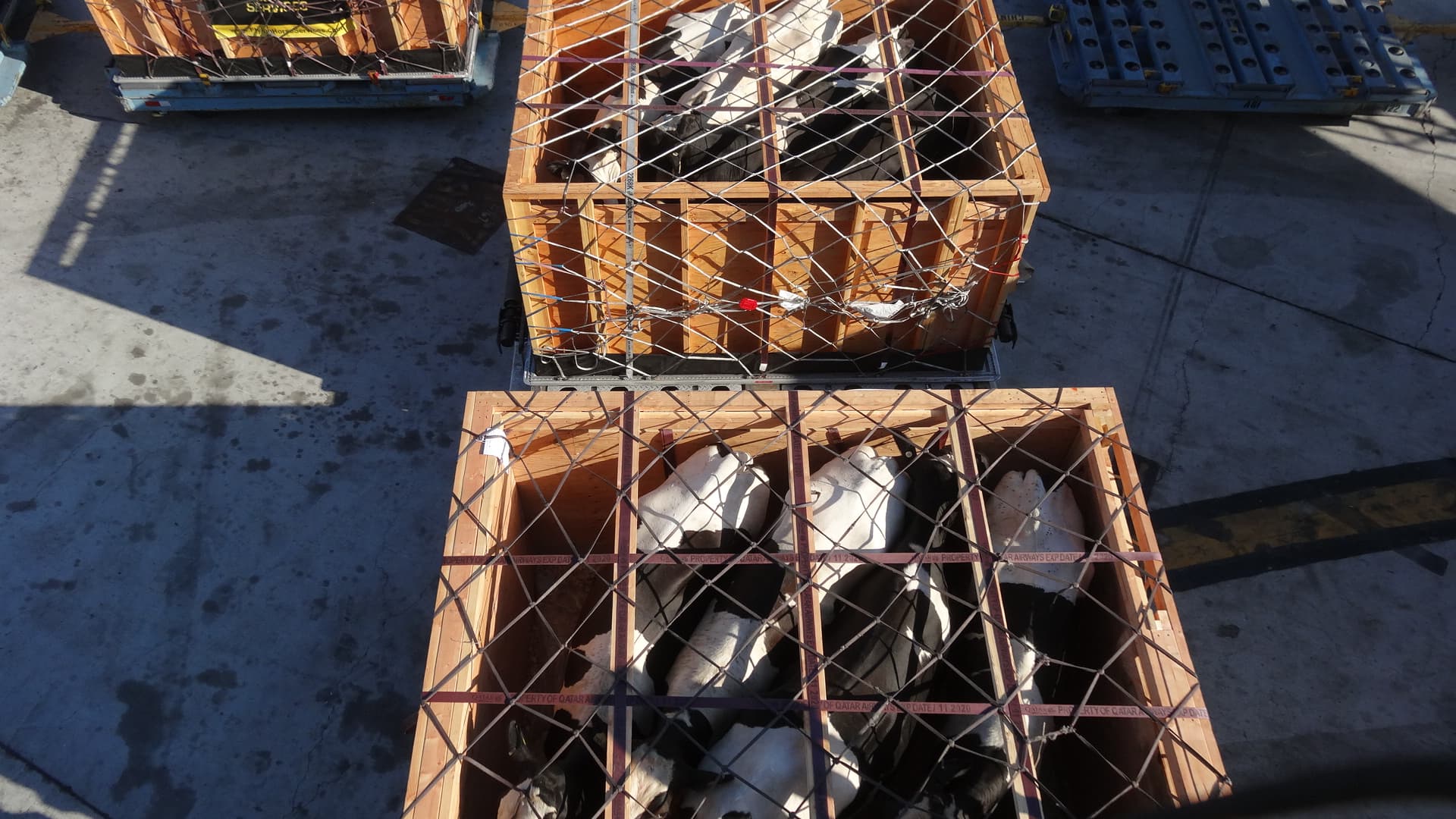
Cattle
Brahman and other tropical and temperate breeds, bulls and group consignments — priced and protocoled by breed and destination.
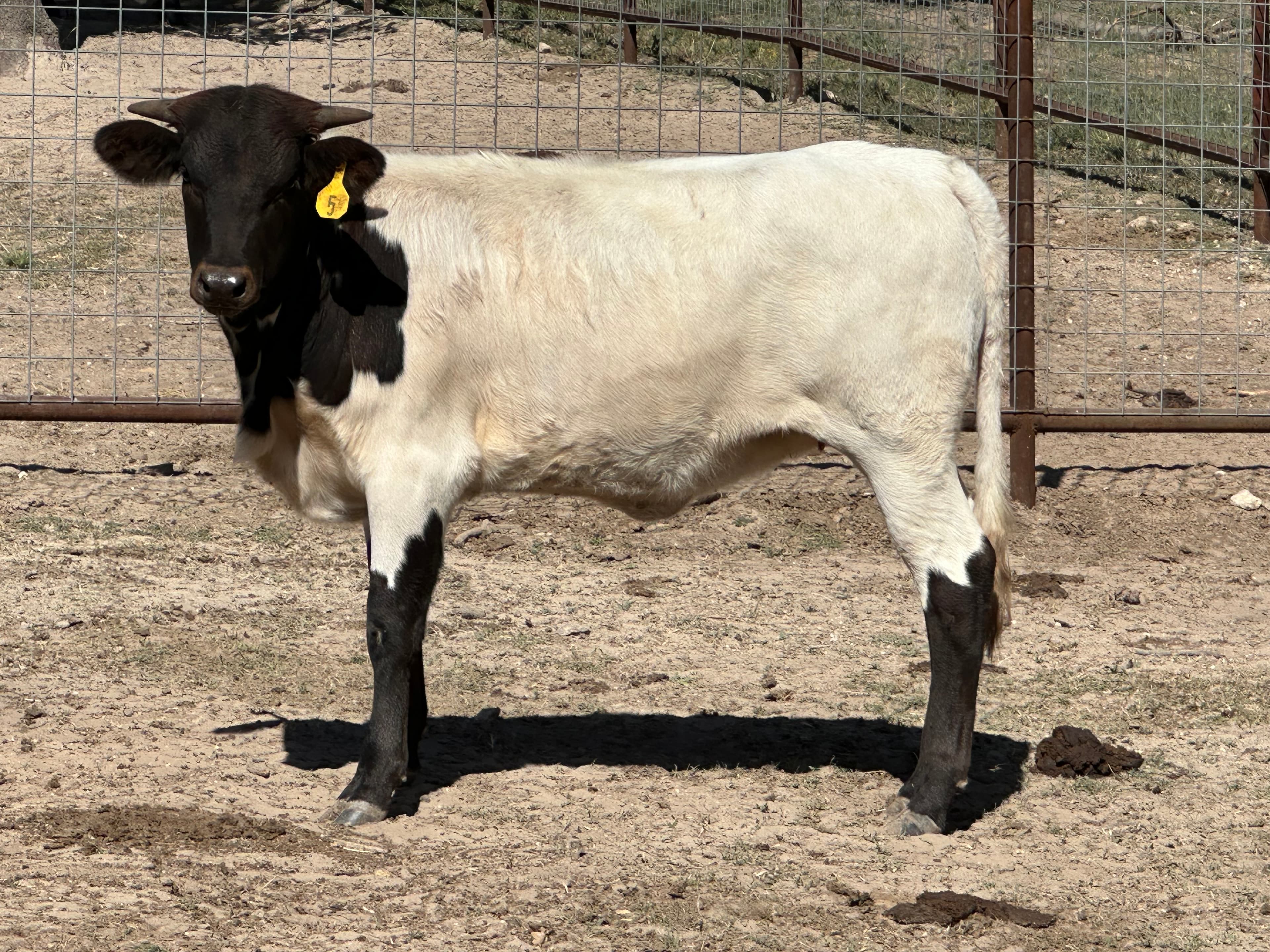
Swine, Poultry & Camelids
Swine, poultry, camelids and mixed livestock genetics — moved as single consignments or as a recurring program. Cattle and sheep & goats now have their own dedicated pages.
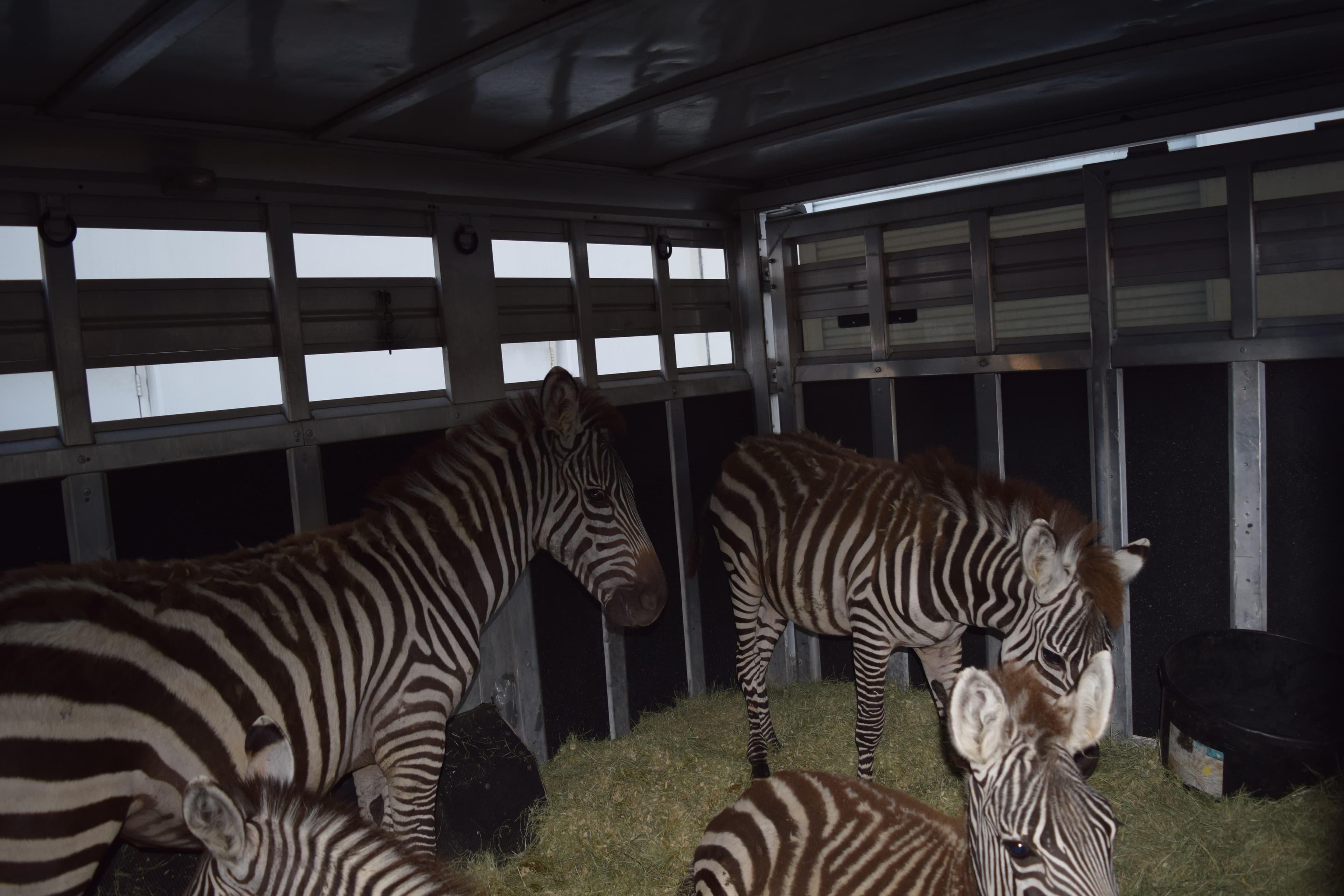
Exotic & Zoo Animals
Zoo collections, wildlife parks and private exotic consignments — including CITES-listed species — moved with the permitting handled.
Ready to move sheep & goats?
Tell us the species, the number of animals, the origin, the destination and your target date. We come back with a written quote at no charge. If we can't do the shipment, we'll email you and say why.