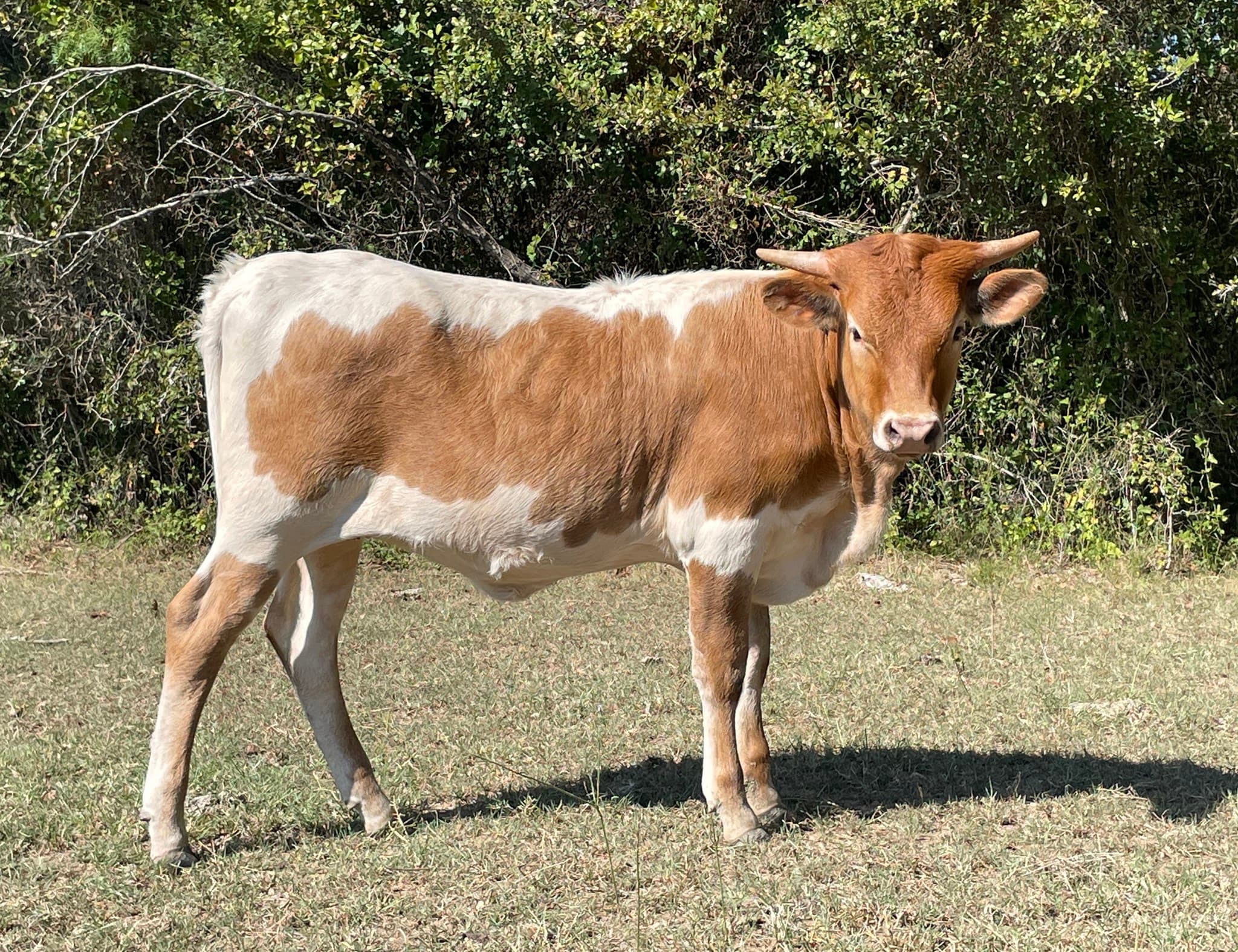
Cattle
Breeding Cattle Export from the USA to Asia-Pacific
Brahman and other tropical and temperate breeds, bulls and group consignments — priced and protocoled by breed and destination.
Brahman cattle and bulls are one of our most regular shipments, not a special case — their heat tolerance makes them a common choice for buyers across Asia-Pacific, and we've run multiple consignments to the Philippines and Thailand, from single bulls to herd-establishment groups. Angus, Hereford and other beef and dairy genetics move on the same terms.
Cattle carry their own disease panel, separate from horses or small ruminants. Bovine tuberculosis and brucellosis are the recurring tests, and bulls specifically also need trichomoniasis and vibriosis (campylobacteriosis) screening — both breeding-soundness diseases most destination countries won't accept unscreened. Foot-and-mouth-disease-free status of the origin region matters more for cattle than almost any species we move.
Group consignments are the norm and the economical choice. A single animal carries the full isolation and crating cost alone, while a herd-establishment group of Brahman bulls or cows splits it across the shipment.
What we handle
- Brahman and other tropical breeds — a regular lane for us
- Angus, Hereford and other beef and dairy genetics
- Bulls for breeding-soundness programs
- Herd-establishment groups
- Mixed cattle and other livestock on one consignment
How we do it
Equipment, people and permits.
The parts of an animal export that go wrong are almost never the flight. They are the crate, the paperwork and whoever is holding the lead rope at 3am.
Purpose-built crating
Cattle fly in crates built for the breed and the group size, satisfying IATA Live Animals Regulations and the practical realities of loading and handling a large animal.
Pre-export isolation
Held at USDA-approved isolation facilities chosen to suit the group size and the departure airport, so the ground leg to the airport stays short.
Bovine-specific veterinary program
A USDA-accredited veterinarian runs the destination's cattle test panel — bovine TB, brucellosis, and trichomoniasis and vibriosis for bulls — and prepares the International Health Certificate for USDA APHIS endorsement.
Scheduled repeat programs
For breeders and importers moving recurring volume, we build a standing schedule rather than quoting each consignment cold. More predictable, and materially cheaper per head.
Destinations
Where we move cattle
Each destination has its own protocol, timeline and market. These are the lanes where demand for this category is strongest.
Philippines
Arrives MNL
≈14–15 hours from the West Coast
South Korea
Arrives ICN
≈12 hours nonstop from the West Coast
Saudi Arabia
Arrives RUH
≈19–21 hours via a Gulf or European hub
UAE
Arrives DXB / DWC
≈16 hours nonstop from the West Coast
Qatar
Arrives DOH
≈16 hours nonstop from Dallas–Fort Worth
Thailand
Arrives BKK
≈17–19 hours via Asian hub
Indonesia
Arrives CGK
≈17–19 hours via Asian hub
FAQ
Cattle: common questions
Do you export Brahman cattle and bulls specifically?
Yes — Brahman cattle and bulls are one of our most regular shipments, not a special case. We've run multiple Brahman consignments to the Philippines and Thailand, from single bulls to small groups for herd establishment. Their heat tolerance makes them a common choice for buyers in the region, and we know the protocol and crating requirements for them specifically.
What does USDA test for before cattle can be exported?
Bovine tuberculosis and brucellosis are the recurring tests for all cattle, and bulls specifically also need trichomoniasis and vibriosis (campylobacteriosis) screening — both breeding-soundness diseases most destination countries won't accept unscreened. The exact panel is set by the destination country's protocol, and foot-and-mouth-disease-free status of the origin region matters more for cattle than almost any species we move.
How much does it cost to export breeding cattle?
Around $5,000 a head on a group consignment — that figure has been consistent across the shipments we've run. It covers air freight, pre-export isolation, blood tests, USDA inspection and fees. Small numbers cost proportionally more per head. See our cost calculator for the full breakdown, or every quote is written after we've confirmed the destination protocol for your herd.
Can you export cattle from the USA to Asia?
Yes, subject to the destination country's protocol and the importer's permit. Eligibility varies by country and by disease status, and for some destinations the origin premises and isolation facility must be registered and approved. We start with a protocol check before quoting.
How far in advance should a cattle shipment be booked?
Seventy-five to 130 days for most destinations, longer for China and for any destination requiring registered and approved origin premises. If you are running a recurring program, we build a standing schedule and the lead time stops being a per-shipment problem.
Is this the same as a domestic livestock carrier or trucking company?
No. Domestic livestock transporters truck cattle between US farms and feedlots by the mile. We're an international air export company — the work is pre-export isolation, USDA-accredited veterinary testing, an International Health Certificate endorsed by USDA APHIS, and purpose-built crating for a flight, not a trailer.
Also
Other things we move
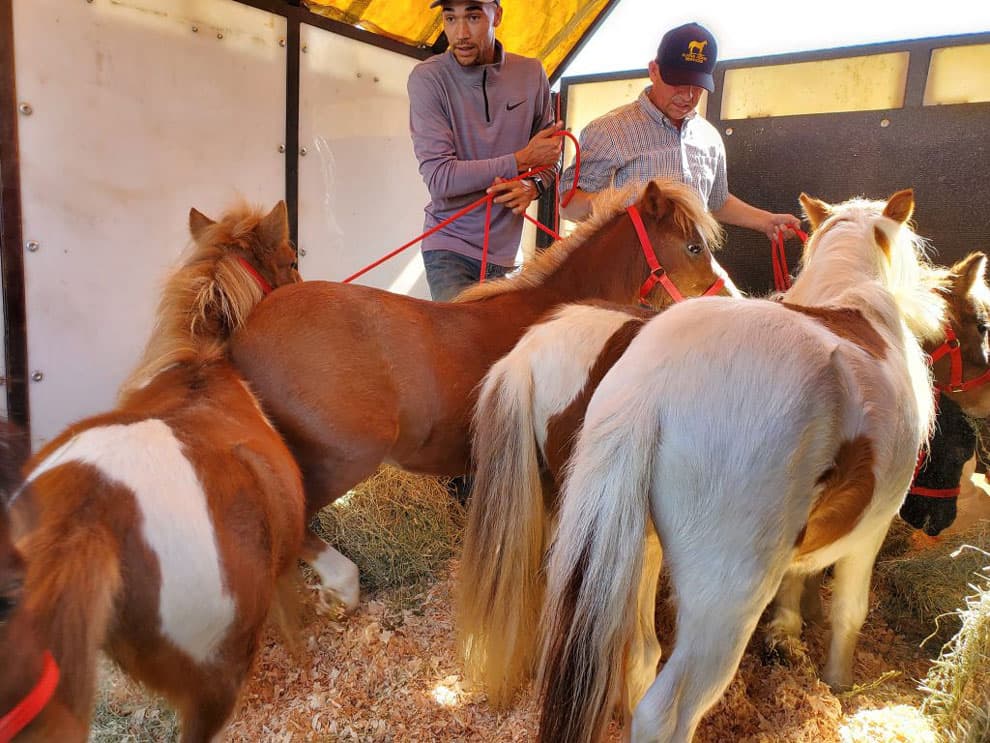
Horses
Racing, breeding and competition horses moved door to door — barn in the United States to barn in Asia-Pacific or the Gulf.
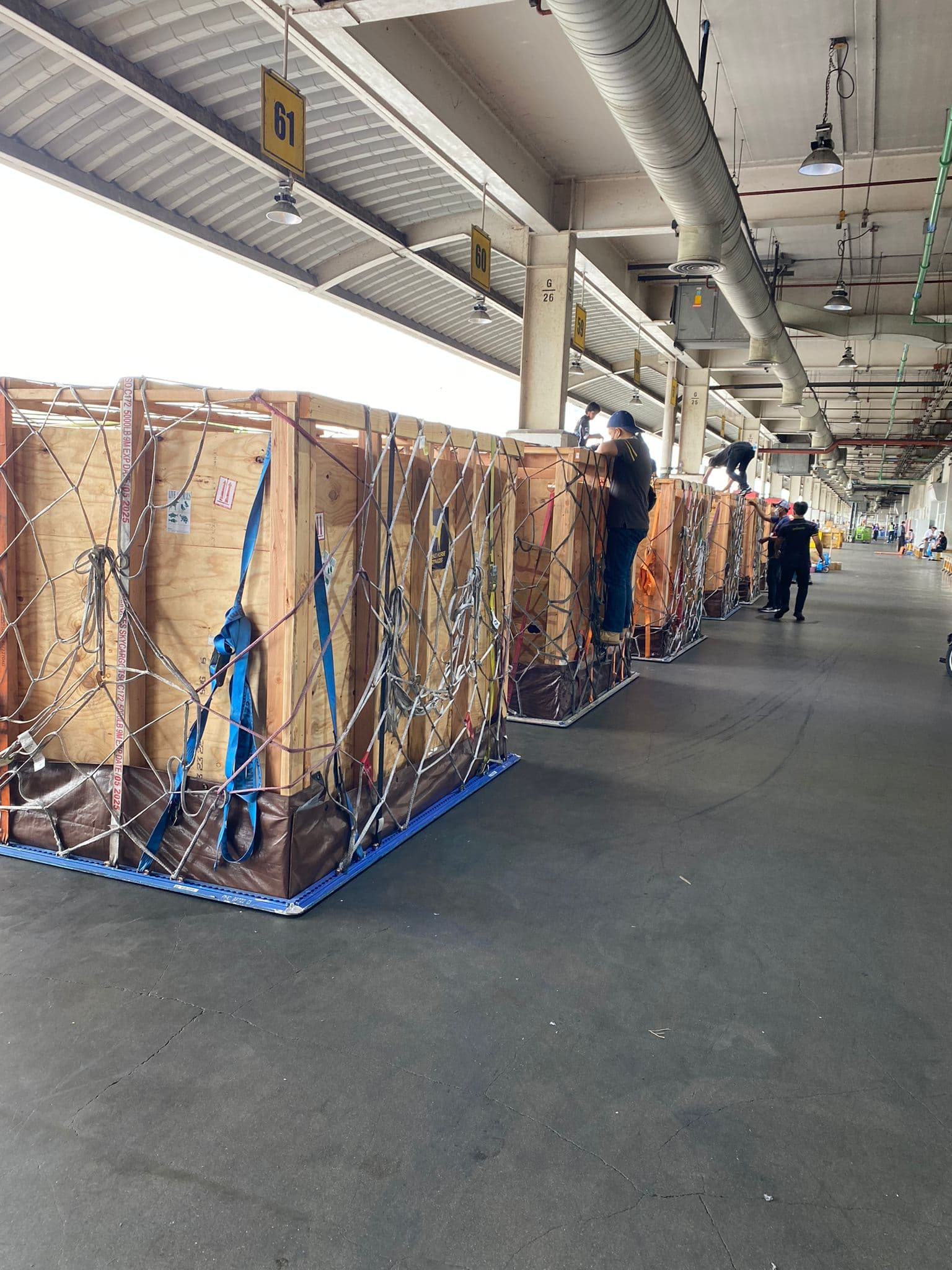
Sheep & Goats
Boer and Nubian goats, breeding rams and ewes — regulated together under USDA's scrapie program, and often shipped together.
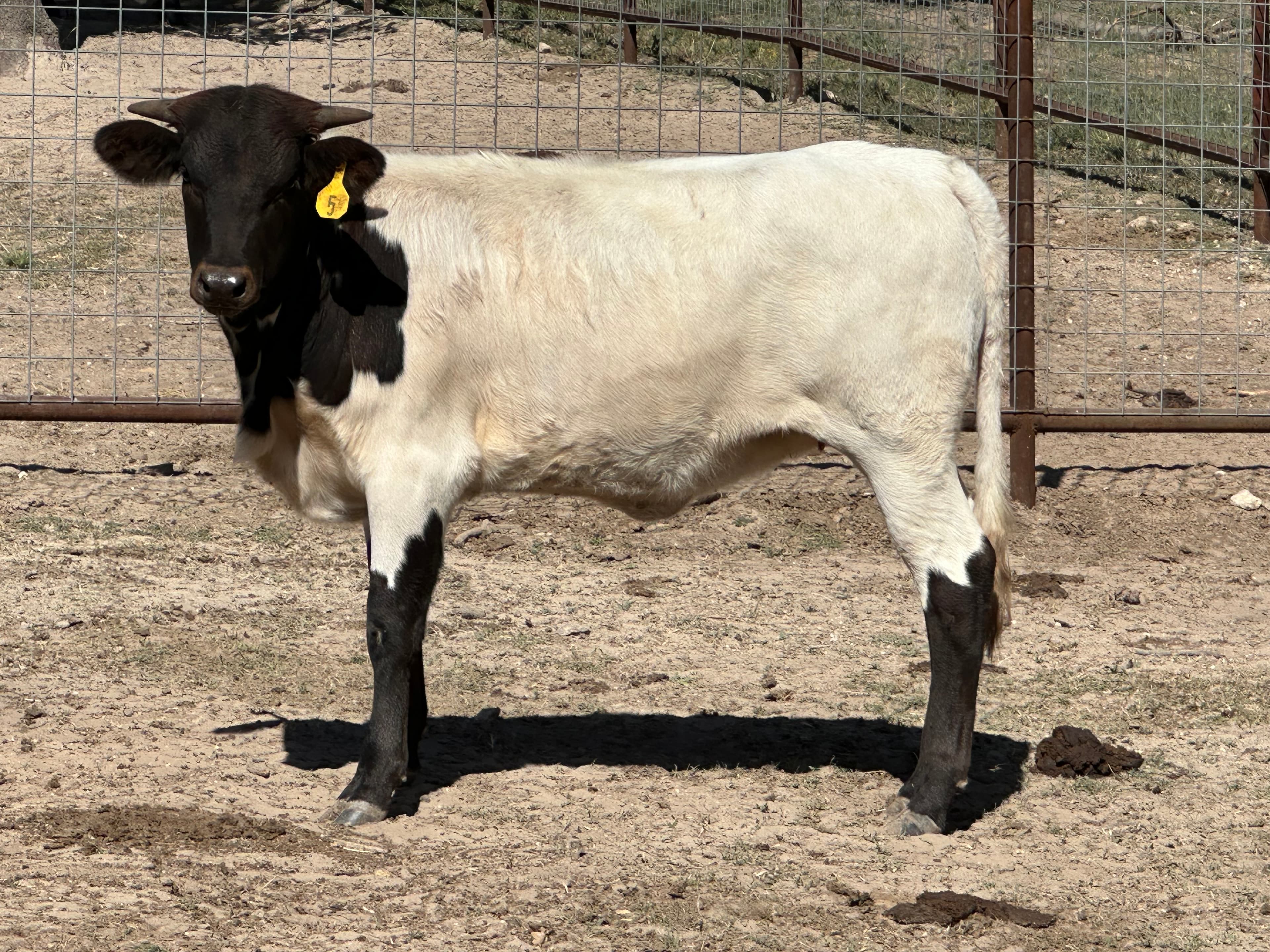
Swine, Poultry & Camelids
Swine, poultry, camelids and mixed livestock genetics — moved as single consignments or as a recurring program. Cattle and sheep & goats now have their own dedicated pages.
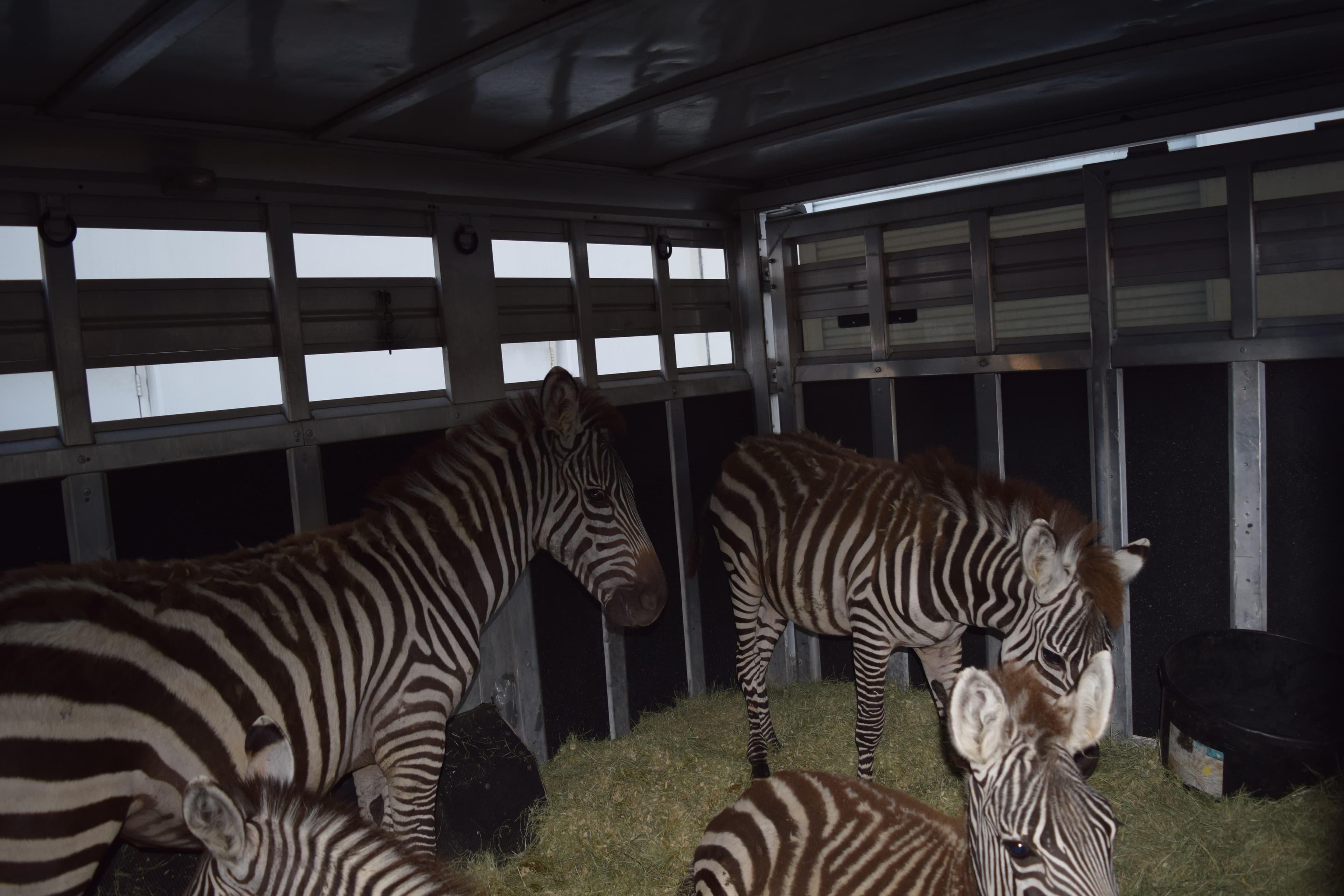
Exotic & Zoo Animals
Zoo collections, wildlife parks and private exotic consignments — including CITES-listed species — moved with the permitting handled.
Ready to move cattle?
Tell us the species, the number of animals, the origin, the destination and your target date. We come back with a written quote at no charge. If we can't do the shipment, we'll email you and say why.