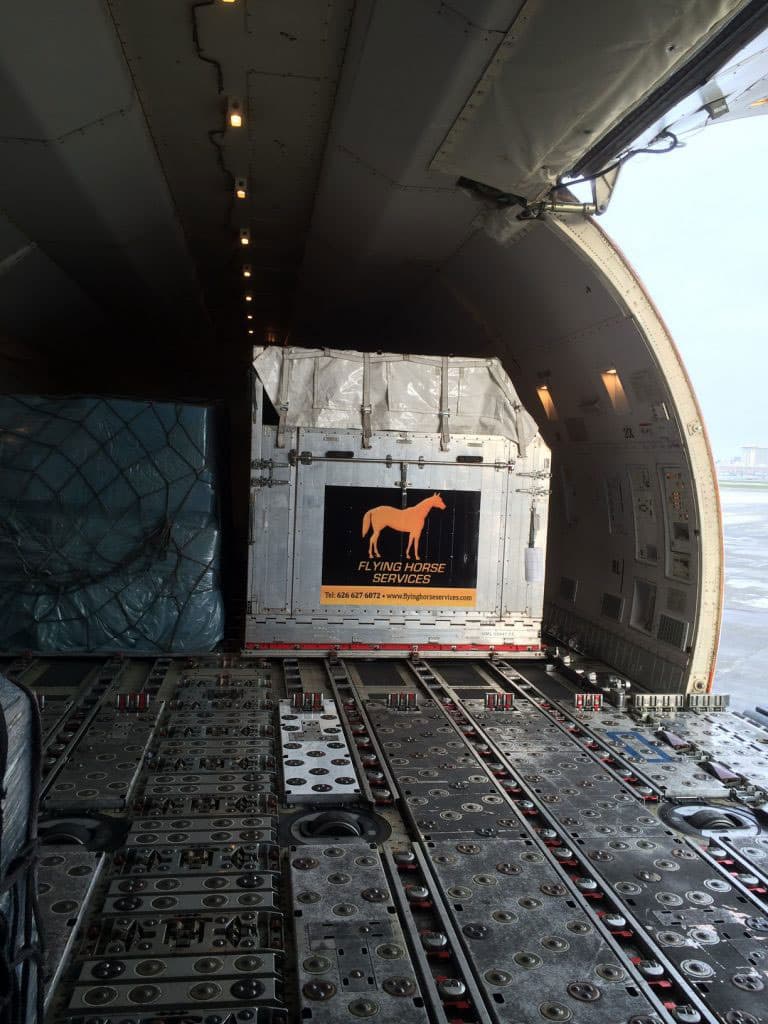
USA → Singapore
Export Horses, Livestock and Exotic Animals to Singapore
Private and sport horses, breeding livestock and exotics, cleared through Singapore's national quarantine station at Changi.
- Arrives
- SIN
- Departs
- LAX / DFW
- Flight time
- ~18–20 hours via an Asian hub
- Plan ahead
- 75–130 days; exotics longer
Singapore Changi
Or whichever US gateway suits the animals
Singapore is one of the more straightforward Asia-Pacific destinations on paper — a short, published list of eligible species, and one of the few places where USDA-accredited vets can issue the International Health Certificate electronically through VEHCS, with APHIS digitally endorsing it. No ink signatures in transit, no courier delays.
Regulatory
What a Singapore export requires
These are the constraints that shape the timeline. The binding requirements are whatever Singapore has in force on your day of export — we confirm the current position as the first step of every quote.
Eligible species and electronic certification
Singapore's Animal & Veterinary Service (AVS) publishes a defined eligible list — horses (permanent or temporary entry), breeding sheep, goats and swine, poultry, ornamental birds and fish, and zoo and lab animals from approved sources. Health certificates move through VEHCS with electronic signature and digital APHIS endorsement, which is faster than destinations still requiring a wet-ink certificate.
Pre-export isolation and testing
Animals are held at a USDA-approved facility while a USDA-accredited veterinarian runs the required panel and prepares the International Health Certificate for USDA APHIS endorsement, same as anywhere else.
Changi Animal & Plant Quarantine Station
All live animals arriving by air clear through AVS's own facility at the Changi Airfreight Centre — inspection, documentation checks and, where required, quarantine happen there before release to the importer. We brief the receiving party on what to have ready so animals don't sit longer than necessary.
Zoo and exotic species
Zoo animals need to originate from an AZA-accredited institution or another AVS-approved source, and face a mandatory post-arrival quarantine of at least 30 days in Singapore. Build that into the arrival timeline, not just the export side.
Official source
USDA APHIS publishes the International Regulations for Animal Exports (IRegs) — the U.S. government’s understanding of Singapore's current import requirements.
By species
What we handle into Singapore
Horses
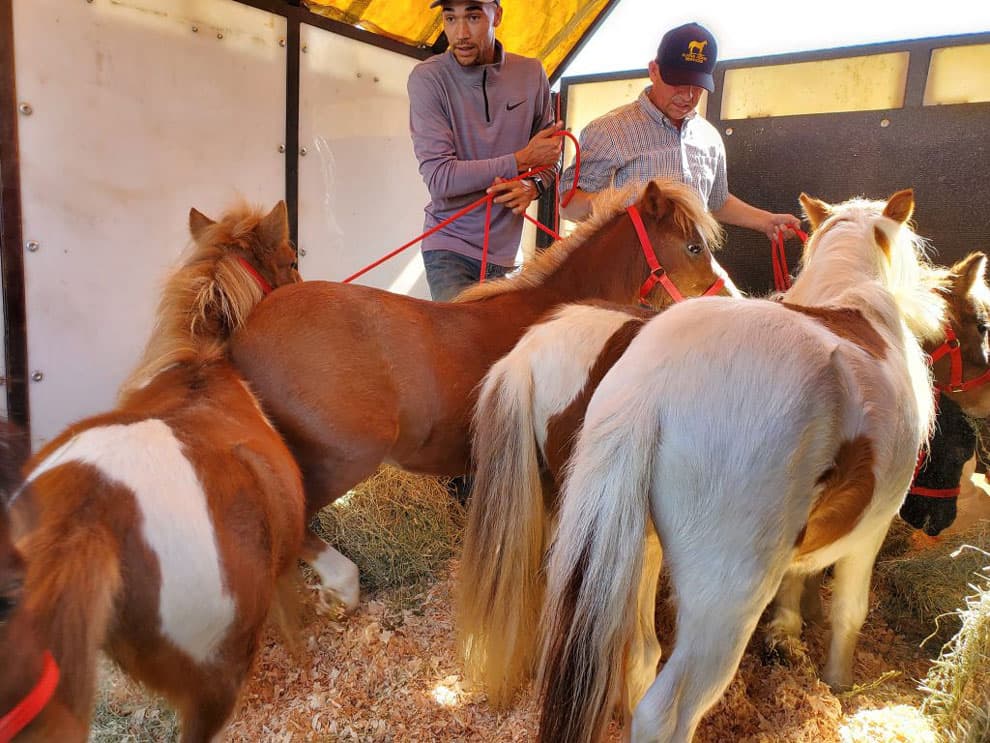
Racing, breeding and competition horses moved door to door — barn in the United States to barn in Asia-Pacific, the Gulf or Europe.
Cattle
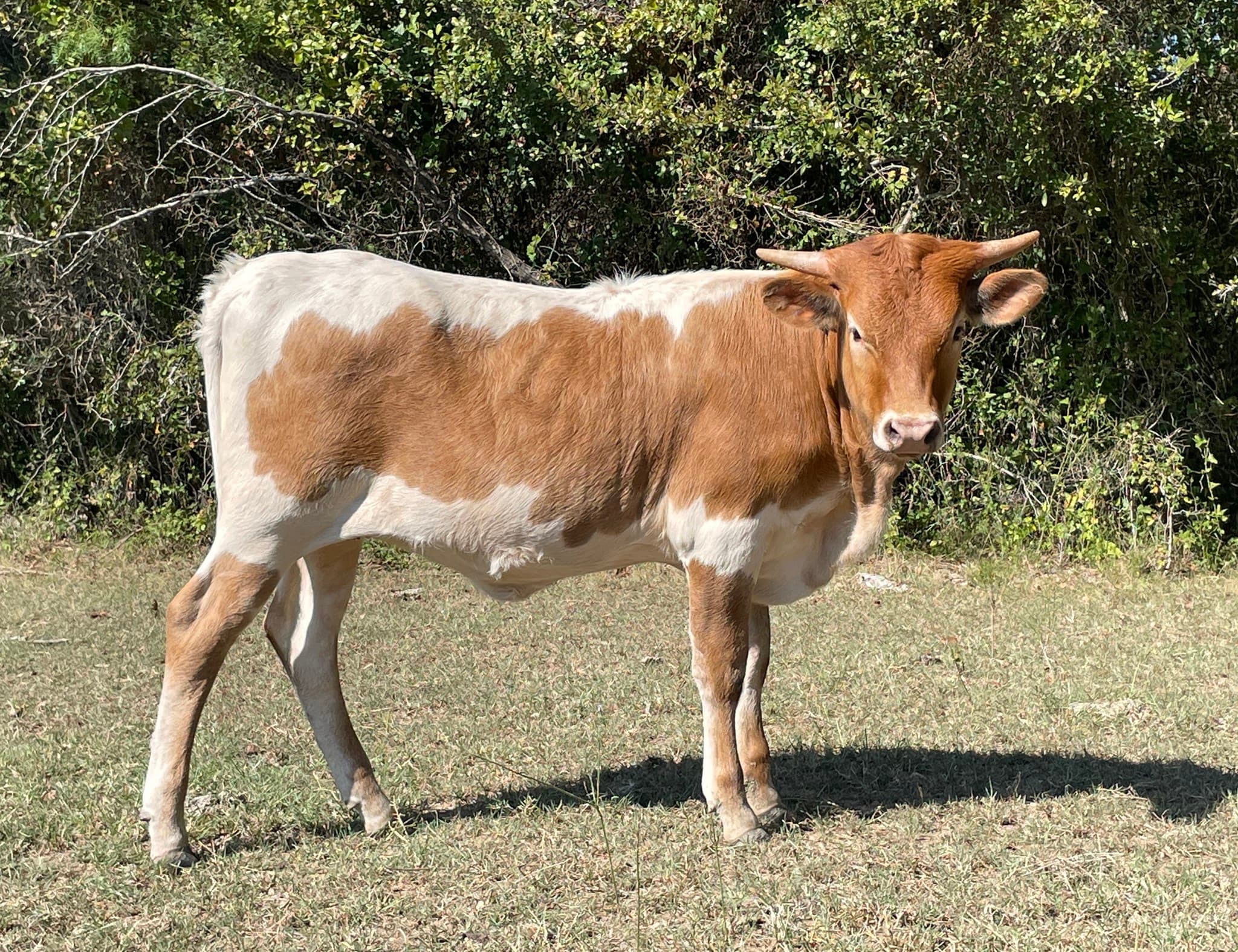
Brahman and other tropical and temperate breeds, bulls and group consignments — priced and protocoled by breed and destination.
Sheep & Goats
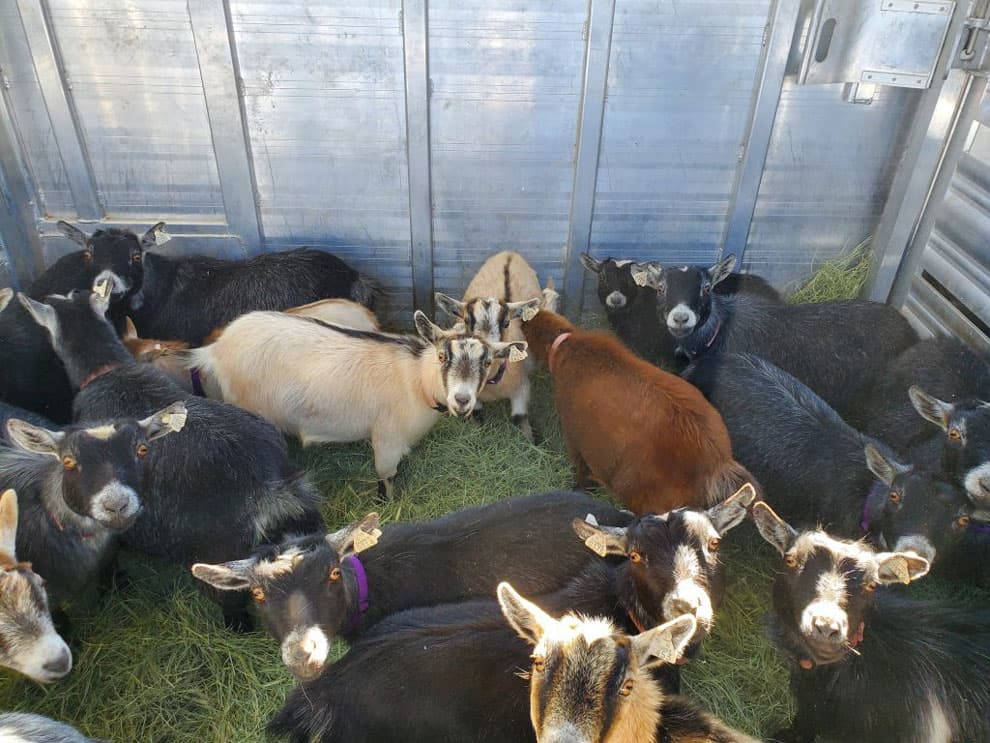
Boer and Nubian goats, breeding rams and ewes — regulated together under USDA's scrapie program, and often shipped together.
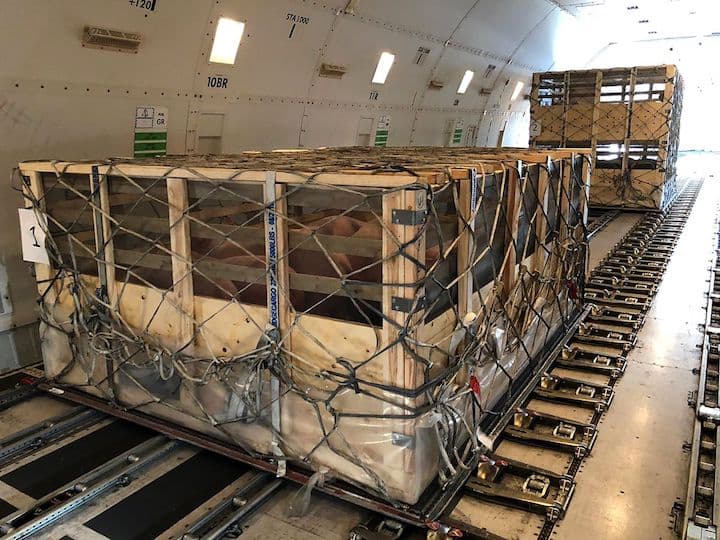
Swine, Poultry & Camelids
Swine, poultry, camelids and mixed livestock genetics — moved as single consignments or as a recurring program.
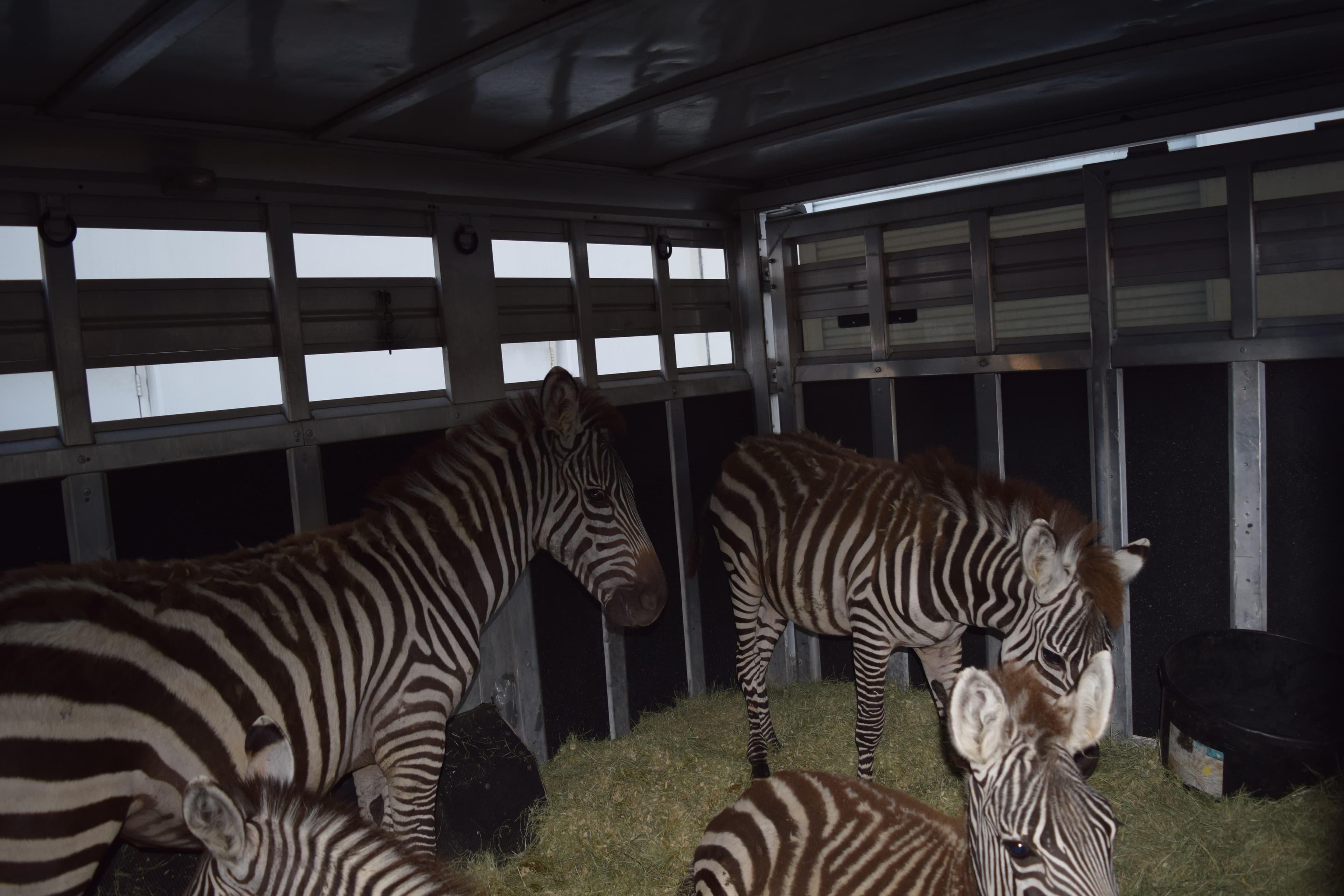
Exotic & Zoo Animals
Zoo collections, wildlife parks and private exotic consignments — including CITES-listed species — moved with the permitting handled.
FAQ
Exporting to Singapore: common questions
Can you still export horses to Singapore now that Kranji has closed?
Yes, but the market has changed. Racing at Kranji ended in October 2024 and the site closed in January 2026, so we're no longer moving racing stock into a training yard there. Demand now is private owners, the Singapore Polo Club and competition riders, plus breeding stock — smaller shipments than the old Kranji racing volume, but real ones.
How much does it cost to export a horse to Singapore?
Given the distance and hub routing, expect it to land in the same range as our other long-haul Asia-Pacific destinations — roughly $20,000 to $30,000 for a single horse — but we'll confirm a firm number once we've priced your specific route and hub connection.
Do you handle zoo and exotic animals into Singapore?
Yes, sourced from an AZA-accredited institution or another source AVS approves. Singapore requires at least 30 days of post-arrival quarantine for zoo animals, which is longer than most of our other destinations and has to be planned into the arrival date from the start.
Is there a nonstop flight to Singapore?
There's nonstop passenger service from the West Coast — around 18 hours, among the longest scheduled routes in the world — but that's not sized for air stables or livestock crates. Practically, animals route via an Asian hub, and we plan the transit stop as part of the welfare plan the same way we do for Thailand and Indonesia.
How long does the process take?
Budget 75 to 130 days for horses and standard livestock. Add time for zoo and exotic species — the 30-day mandatory quarantine on the Singapore side sits on top of the US pre-export isolation and testing period, not instead of it.
What happens when the animals land at Changi?
They clear through the Changi Animal & Plant Quarantine Station, AVS's own facility at the Changi Airfreight Centre — documentation and health checks first, then quarantine if the species requires it. We brief the receiving party in advance so nothing is missing when the animals arrive.
Other lanes
More destinations we run
Thailand
Horses & Livestock: USA to Thailand
Indonesia
Breeding Livestock: USA to Indonesia
Hong Kong
Export Horses from the USA to Hong Kong
Moving animals to Singapore?
Send us the species, the number of animals, the origin and your target date. We confirm whether the protocol is currently open and come back with a written quote at no charge. If we can’t do the shipment, we’ll email you and say why.